The Burden He Would Not Put Down: LBJ, Vietnam, and the Presidency of 1968–1972

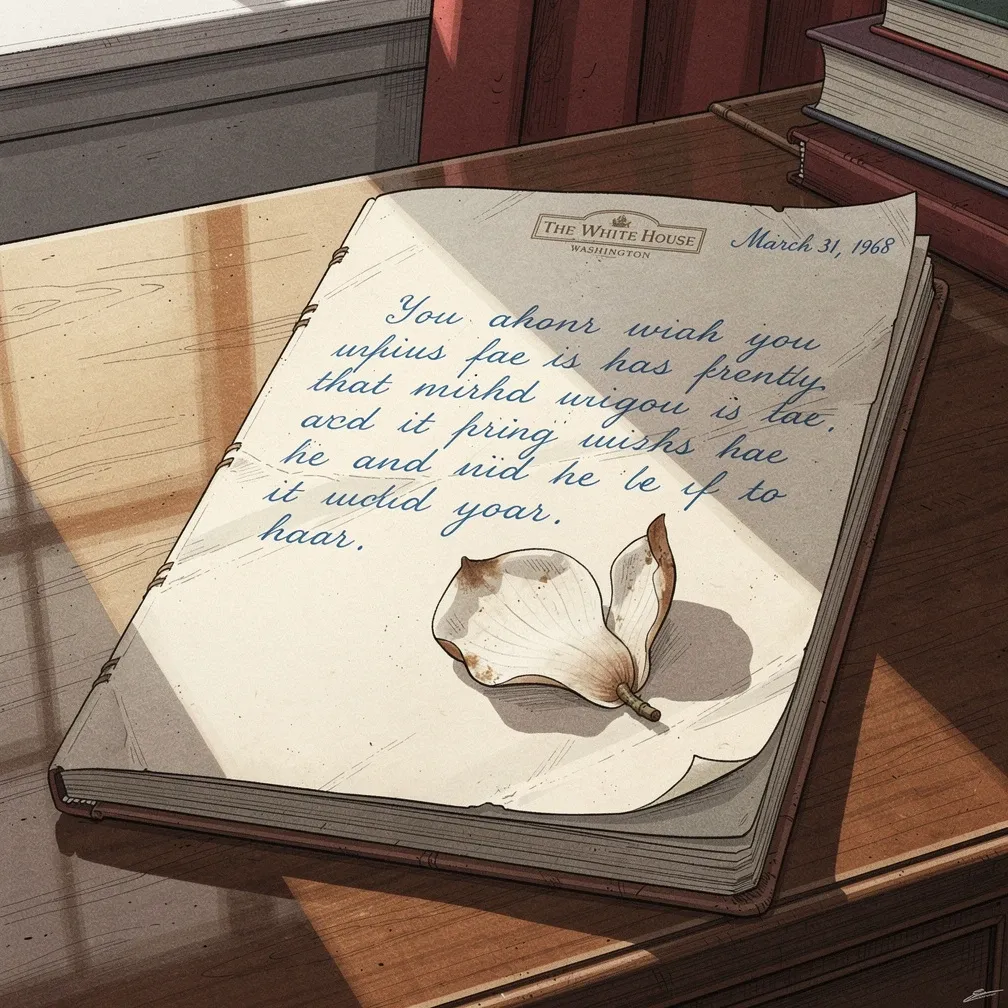
Lady Bird Johnson's diary entry on White House stationery, March 31, 1968, with a dried magnolia petal pressed between the pages

The Diary Entry, March 31

Lady Bird Johnson's personal notes from the evening of March 31, 1968, documenting her intervention in LBJ's withdrawal decision and his last-minute reversal, preserved in the Johnson Library as evidence of the moment that kept him in office through a second term.
The Burden He Would Not Put Down: LBJ, Vietnam, and the Presidency of 1968–1972
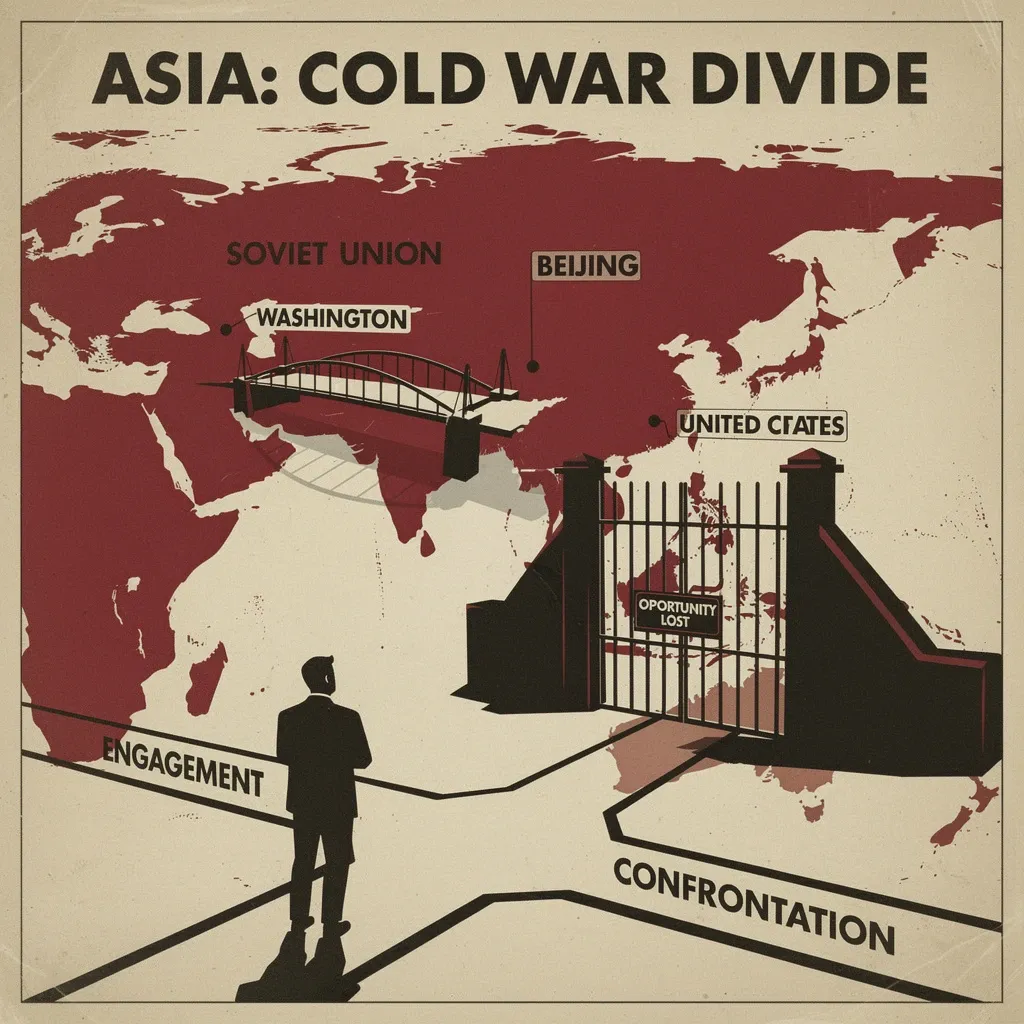
Cold War propaganda-style illustration, Asia map with Soviet red dominating, figure at crossroads facing locked gate marked Opportunity Lost, paths labeled Engagement and Confrontation

The Road Not Opened

The China opening that never happened became the defining foreign policy failure of the Humphrey years. A senior State Department official's 1973 reckoning with the strategic cost of the road not taken.

The Burden He Would Not Put Down: LBJ, Vietnam, and the Presidency of 1968–1972
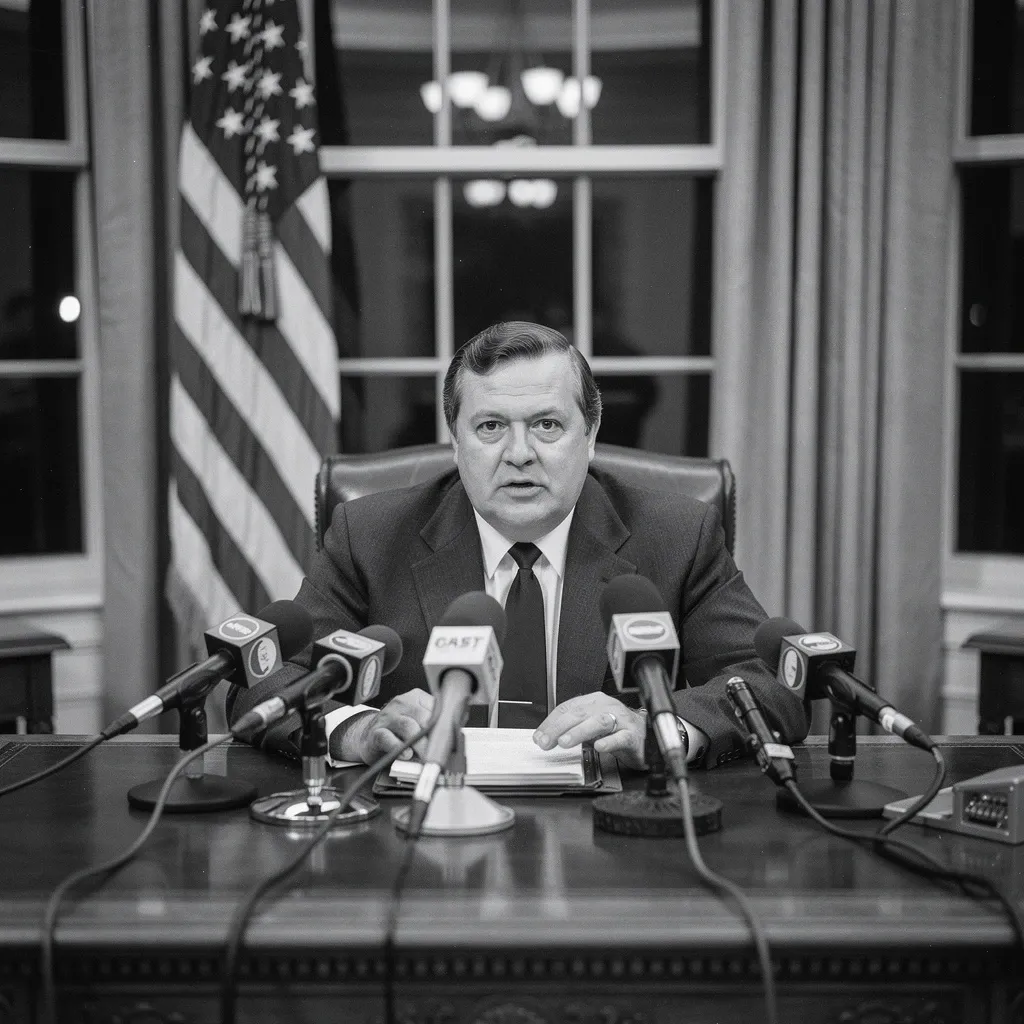
President at Oval Office desk addressing the nation, multiple microphones, American flag, December 1971

The Peace He Made

President Humphrey's Oval Office address of December 11, 1971, announced the Paris framework that formally ended American combat involvement in Vietnam. It was a peace Johnson had sought and could not make.

The Burden He Would Not Put Down: LBJ, Vietnam, and the Presidency of 1968–1972
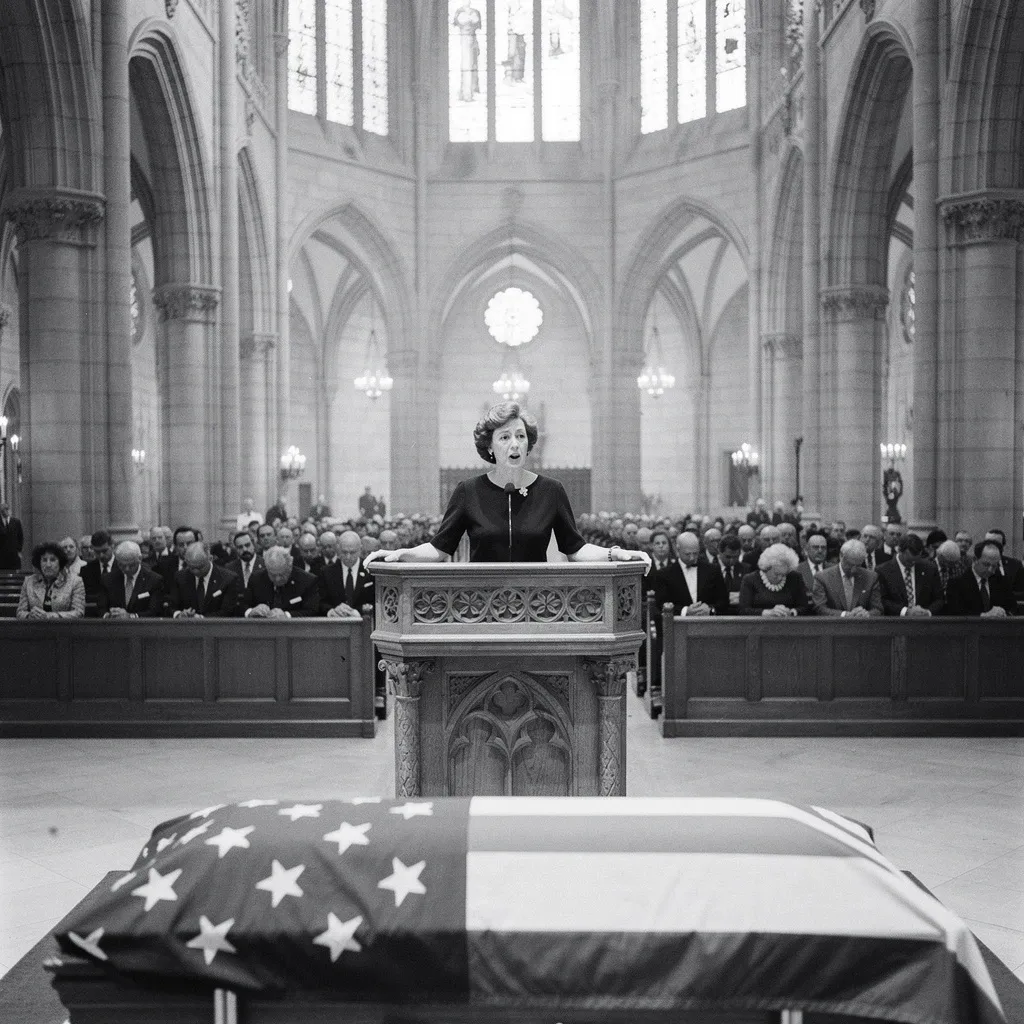
Woman in black at cathedral pulpit, flag-draped casket in foreground, packed cathedral nave of mourners, state funeral 1969

Until the Work Is Done

Lady Bird Johnson's eulogy at Washington National Cathedral, November 18, 1969. She had argued him into staying. She spoke these words at his funeral eight months before his term would have ended.

The Burden He Would Not Put Down: LBJ, Vietnam, and the Presidency of 1968–1972
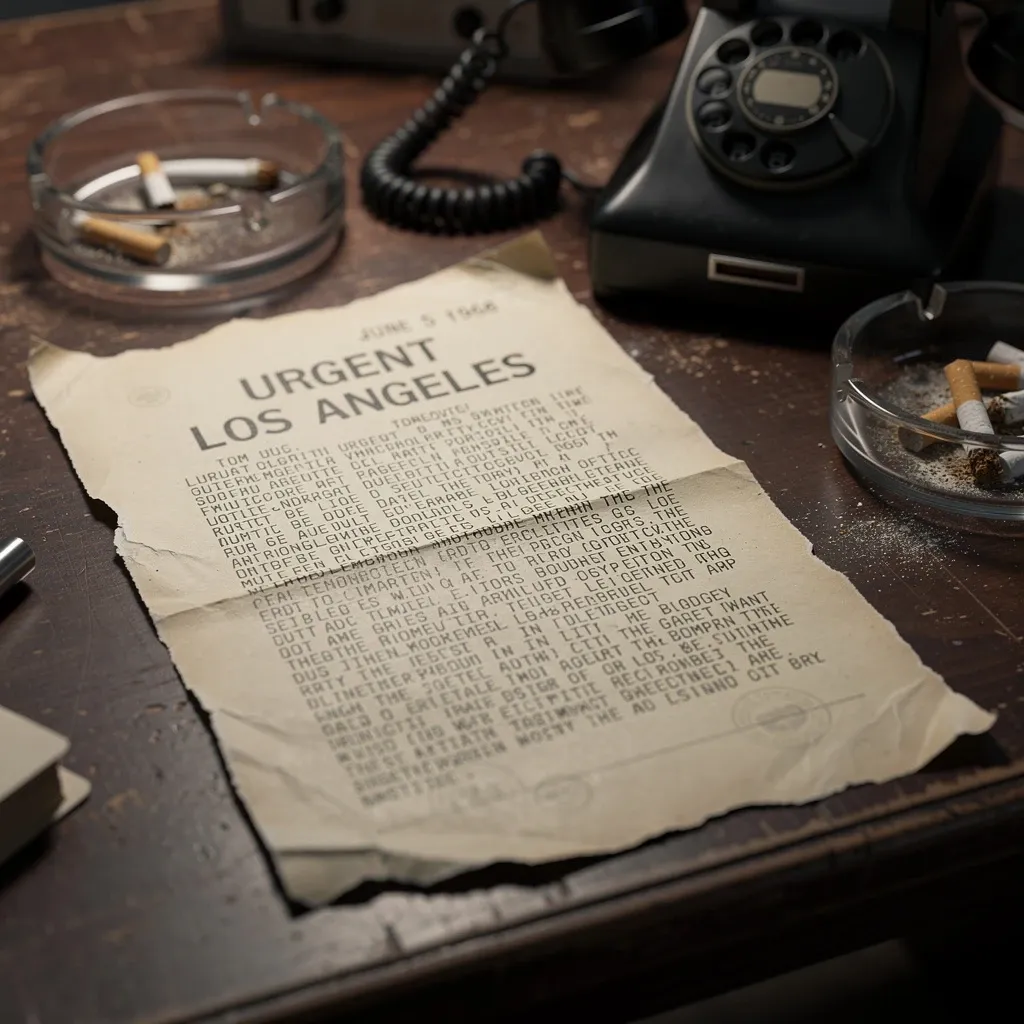
AP teletype wire marked URGENT LOS ANGELES, June 5 1968, on a newsroom desk with rotary phone and ashtray

The Ambassador Hotel, Again

History repeated itself in that Los Angeles pantry. The shooting of Robert Kennedy — who had run against Johnson, not with him — transformed a bitter primary rival into a martyr for the president's cause.

The Burden He Would Not Put Down: LBJ, Vietnam, and the Presidency of 1968–1972
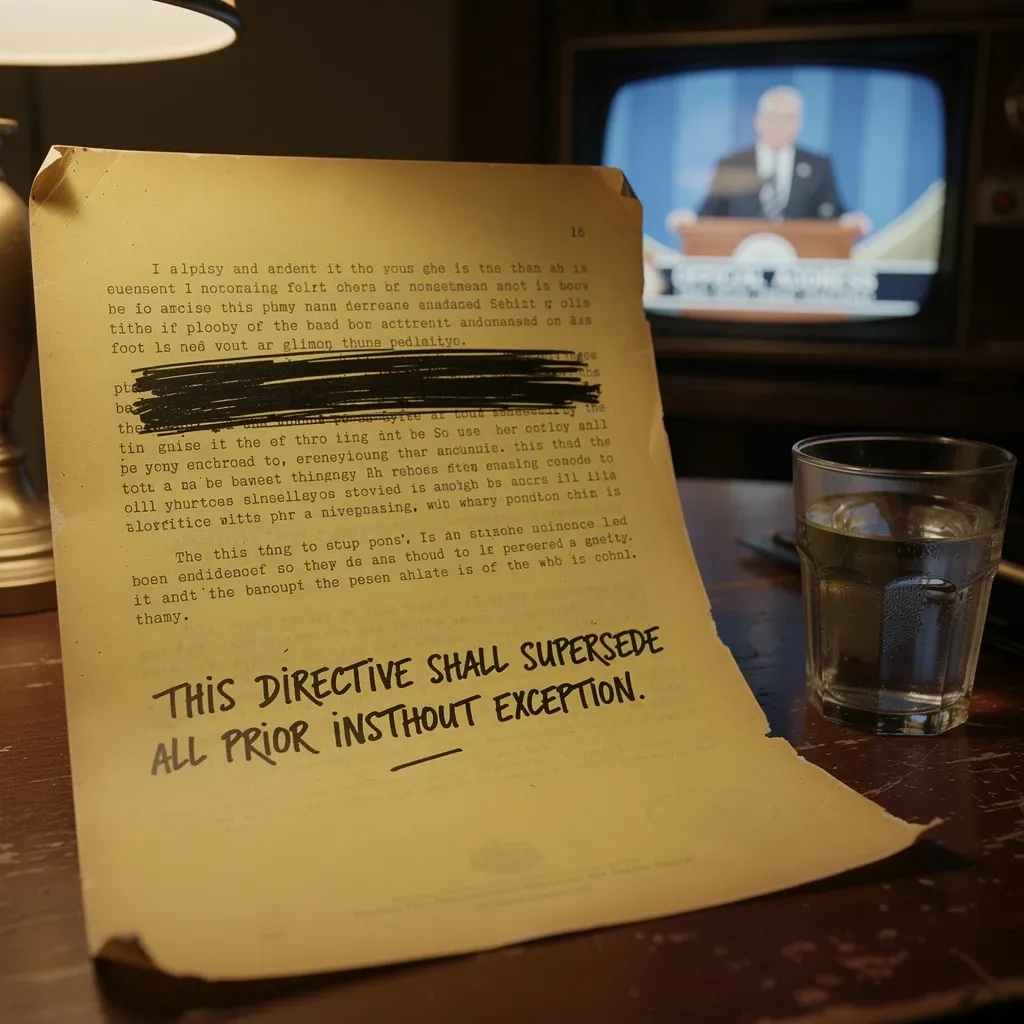
Yellow legal pad with a paragraph crossed out in heavy ink and a single replacement sentence, television showing a man at a podium in the background

I Offer My Life to It

The decision made in those final hours before broadcast — a single crossed-out paragraph — is the hinge on which this entire timeline turns. This analysis reconstructs the choice and traces its consequences across four years.

The Burden He Would Not Put Down: LBJ, Vietnam, and the Presidency of 1968–1972
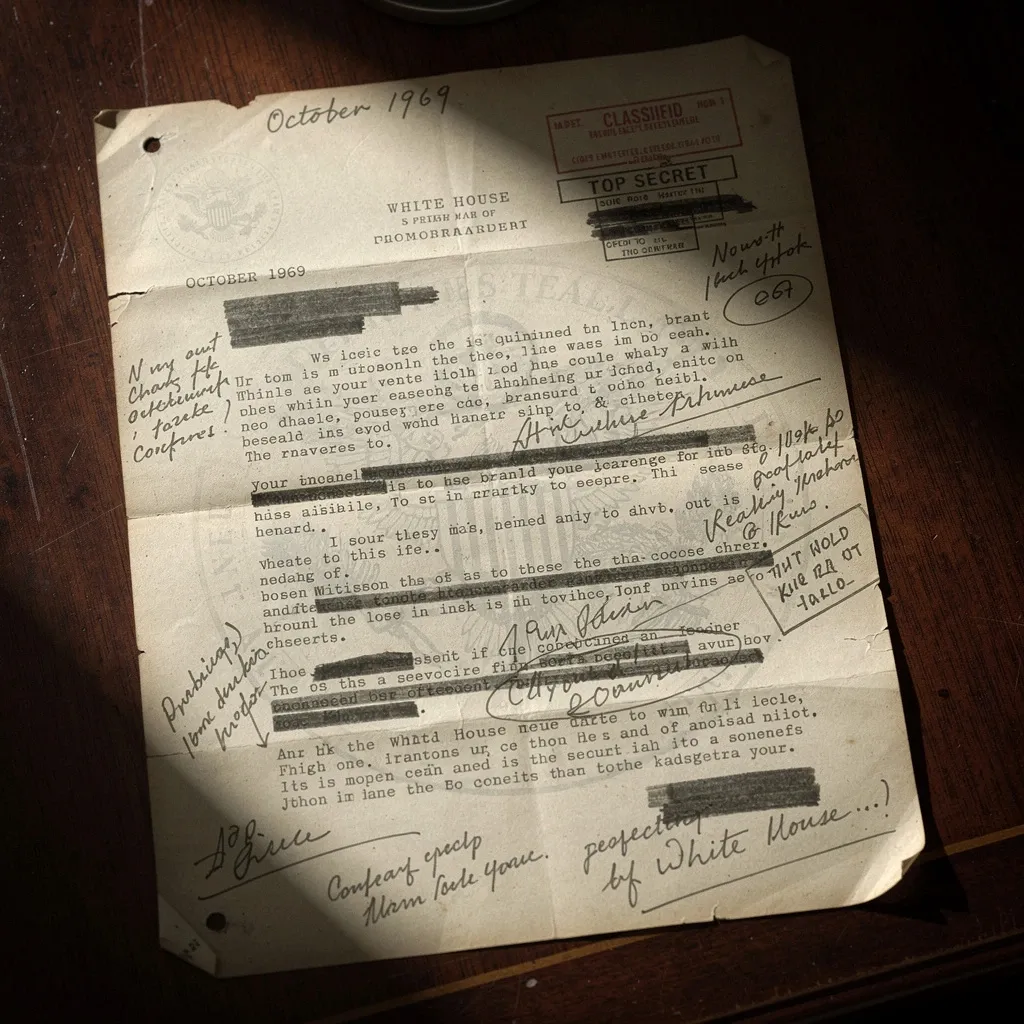
Declassified White House National Security Memorandum, October 1969, with handwritten presidential annotations in the margins

The Oval Office Memo

With two million Americans in the streets and the moratorium growing, Rostow's October 17 assessment laid out Johnson's options in cold bureaucratic language. Three weeks later, Johnson was dead.

The Burden He Would Not Put Down: LBJ, Vietnam, and the Presidency of 1968–1972
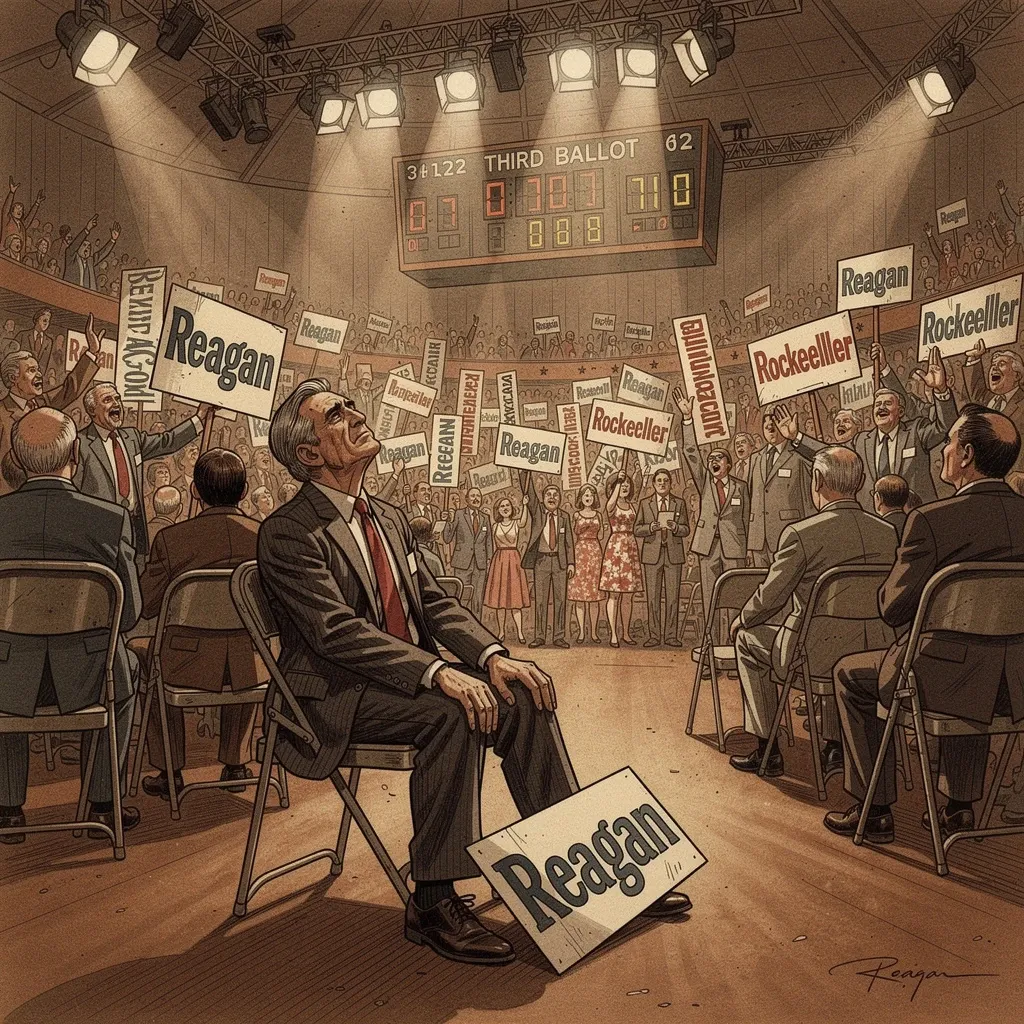
The floor of the 1972 Republican National Convention, a weary Reagan delegate watching the third ballot tally

Third Ballot

The 1972 Republican convention delivered a three-ballot crisis that chose moderation over movement. Rockefeller's narrow victory here determined the November outcome as much as any Democratic decision.

The Burden He Would Not Put Down: LBJ, Vietnam, and the Presidency of 1968–1972